
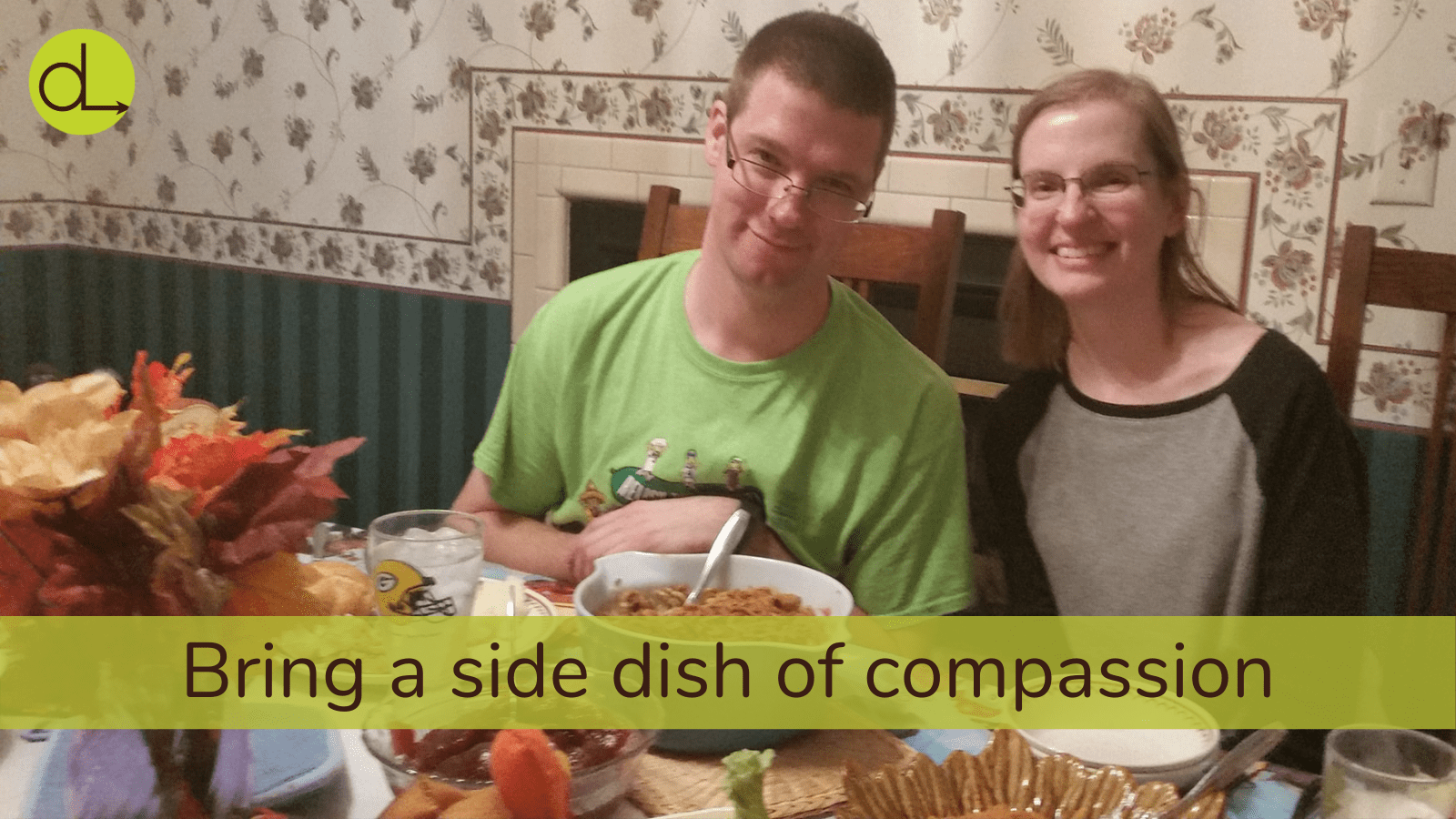
It’s that time of year again… the annual discussions between families of when and where to spend the holidays. For the last ten years, my husband and I have determined our holiday travel plans with our parents with the same precision necessary to build a house of cards:
- In order to see my brother and my husband’s brothers, I check in with my sisters-in-law to find out when they’re celebrating with their families in order to see if we can get alignment on both sides of the family.
- We also factor in when we can see Grandma, my two cousins, my husband’s 36 cousins, and all the aunts and uncles.
- To complicate matters, there are three hours between my family and my husband’s family—in opposite directions from where we live. Just close enough that we can see both families in one day. Just far enough to be exhausting!
The conversations this year have been more stressful because of coronavirus. How do we figure out when to gather for the holidays—or whether to even get together at all? Because, like many families, we all span the spectrum of how well we social distance and how strict we are on wearing masks.
Having a Conversation When No One Agrees
Last week, Darcy wrote about how to have courage in conversations, so that you can say what you want or need. For a long time, courage was difficult for me—mostly because I didn’t want to be seen as difficult.
In my mind, when I disagreed or had something to say that I thought might not go over well, I had two choices: say nothing or be seen as a five-letter b-word. Seemed like an easy choice.
I was wrong, of course. There are more than the two choices of keeping quiet or being aggressive. Specifically, I can say what I need with compassion, to ensure the other person can hear it and not immediately go on the defensive.
Choose Your Approach…Thoughtfully
How do you include compassion in your conversation? It starts with how you choose to approach it. You know that feeling when you start a conversation and you can just tell it’s going to go downhill? It doesn’t have to be that way. If you know you’re about to have a conversation that might be edgy, approach it with compassion.
In my case with my siblings-in-law, I sent a group text to everyone saying I thought we needed to reassess our Thanksgiving plans because of the surging COVID-19 numbers.
The response? Crickets.
The next time we were all on a family Zoom call, I had a choice of how I could approach this:
- I could say nothing. — That would’ve been my easiest choice. Though I also would’ve been silently making up stories about why no one wants to talk about this. This is the option without any courage.
- I could yell at everyone for not responding to my text. — Plenty of courage here, but no compassion. And likely, no good results.
- I could make my case for why everyone needed to take this more seriously. — I could do this with compassion, but telling everyone they’re wrong would likely evoke defensiveness.
- I could say, “I know it’s not easy since we all have different opinions, but I’m wondering if we can talk about this.” — This is the only one with both courage and compassion.
When you add compassion to the mix, you create the space for a conversation to occur. Whether during a work meeting or at a family dinner table, compassion allows everyone to know they’ll have a chance to be heard. When you’re vulnerable, and let your defenses down a bit, it invites everyone else to do the same.
One-minute Workout
So here’s a Thoughtfully Fit workout for the next time you need to have a conversation that has the potential to get a little hot or defensive—maybe even over the upcoming Thanksgiving Holiday.
Pause. Take a breath and allow yourself to get settled before having the conversation.
Think: How can I lead with compassion? What can I do to create conversation and not shut people down?
Act: Then commit to having the conversation with the compassion you’ve decided on.
Bring a Side of Compassion to Thanksgiving (and Maybe to the Rest of 2020)
There’s a lot that families, communities, and organizations are disagreeing about right now. We may not always agree on the best course of action, but compassion can make sure that conversations continue.
As for my family, I still don’t know what we’re doing for Thanksgiving. Our typical travel house of cards might end up being my husband and I playing cribbage—with only our cat watching. I also don’t know that everyone in our families will all agree on the best course of action. What I do know is that I can’t control what everyone else will choose to do—or even if they choose to keep compassion in the conversation.
But I have control if I choose compassion… and so do you.
Jill’s Recommendation- Even though TED Talks are only 20 minutes, they’re often still too long for my short attention span. This is just one of the many reasons I love the TED Radio Hour. Each week, the focus is on a theme such as reinvention, joy, or listening. The show then includes snippets of TED Talks from numerous speakers on that topic providing a number of different perspectives. It’s one of my favorite podcasts to listen to while walking or cleaning my house!


